When people talk about bird photography, the conversation usually starts with sharpness, eye contact, or feather detail. All important, but often the difference between a record shot and a story lies behind the bird.
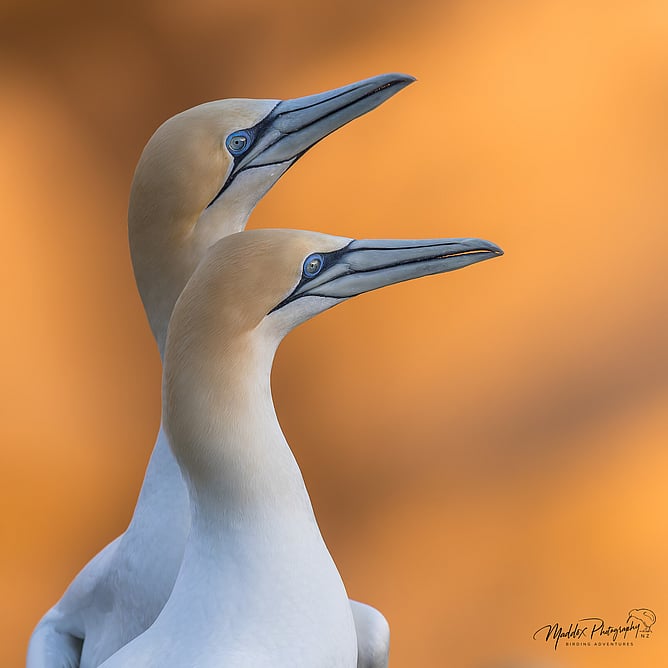
Backgrounds (and foregrounds) are not just empty space. They are emotional cues. They set context, mood, and scale. They tell the viewer where the bird lives, how it moves through its world, and sometimes even why the moment matters.
I spend far more time watching light, vegetation, and background shape than I do pressing the shutter. A clean or intentional background can elevate a simple pose into an image that feels immersive and alive.
Here’s why backgrounds matter, and five practical steps to help you use them to create more impactful bird photographs.
Why Backgrounds Matter So Much
A bird never exists in isolation. It’s part of an ecosystem, bush, wetland, coastline, alpine ridge. When we ignore the background, we strip away the story of place.
A distracting background pulls the viewer out of the frame.
A thoughtful background draws them into it.
Soft foliage can suggest calm.
Dark shadow can add mystery.
Backlit leaves can hint at time of day and season.
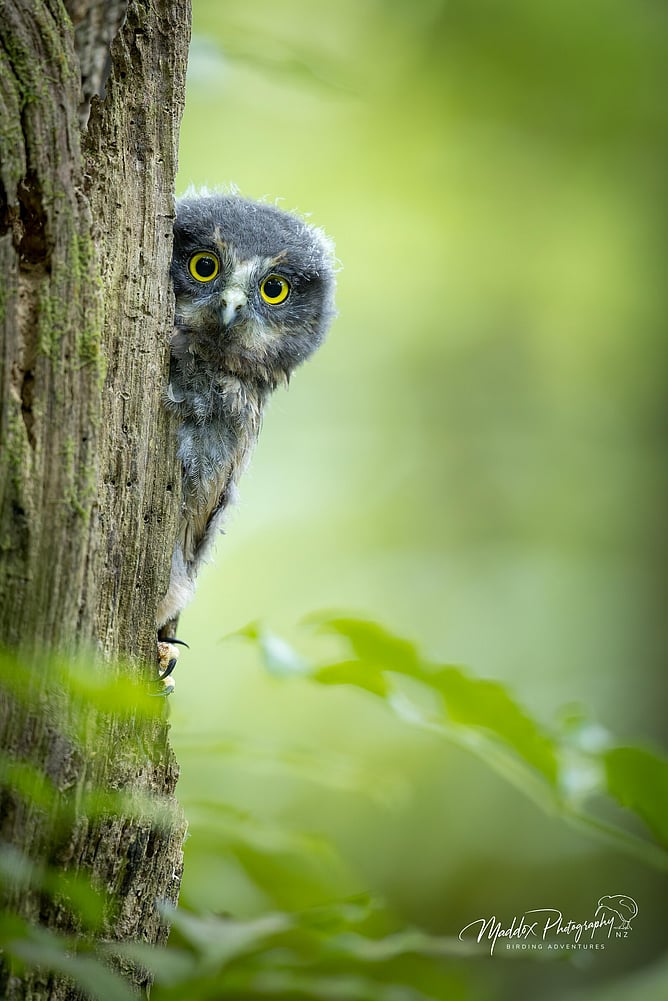
Foreground blur can create intimacy, as if the viewer is peering into the bush alongside you.
In short: the background is the stage. The bird is the performer.
5 Steps to Stronger Storytelling Through Backgrounds & Foregrounds
1. Move Your Feet Before You Touch Your Settings
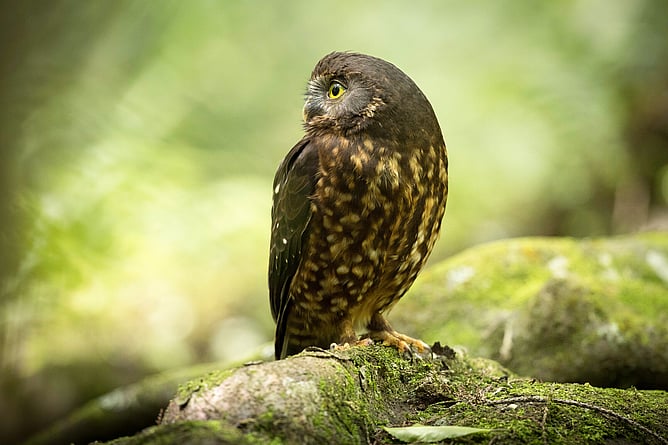
One small step left or right or even up or down can completely change what sits behind your subject. Before shooting, ask yourself:
What colour is behind the bird?
Is it brighter than the subject?
Are there lines or shapes cutting through the body?
I often spend several minutes repositioning quietly, waiting for the background to simplify or align. The best background choices are usually made before the bird does anything interesting.
2. Look for Light, Not Just Blur
A blurred background isn’t automatically a good background.
Look for quality of light:
Even, soft tones feel calm and natural
Dappled light adds texture and depth
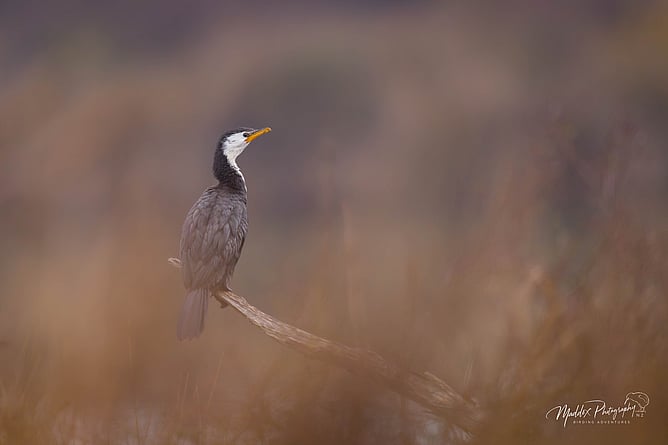
Backlit foliage can glow beautifully at dawn or dusk
A well-lit background supports the subject rather than competing with it. If the background is brighter than the bird, the viewer’s eye will drift away, no matter how sharp your subject is.
3. Use Foreground Elements to Add Depth
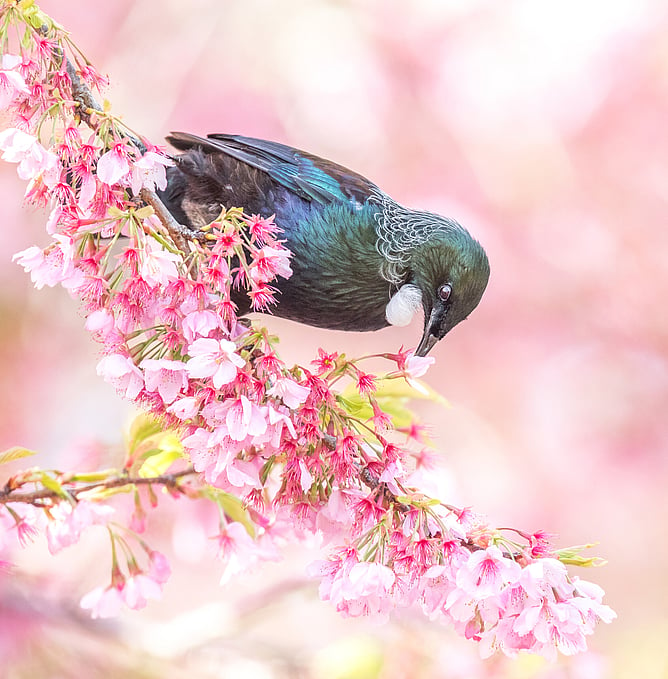
Foreground blur, grasses, branches, leaves, even reflections can create a sense of place and intimacy. It tells the viewer they are inside the habitat, not observing from a distance.
This works especially well with forest species like ruru, tomtits, or robins. A hint of foreground can:
Add depth and layering
Frame the subject naturally
Increase the feeling of discovery
The key is subtlety. Foreground elements should whisper, not shout.
4. Match the Background to the Behaviour
A strong image aligns subject, behaviour, and background.
Ask yourself:
Is this a quiet moment? Choose a soft, uncluttered background
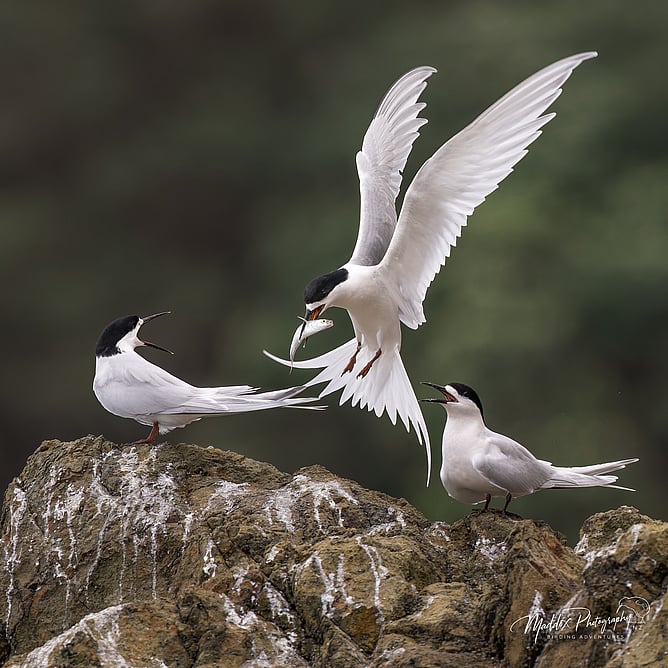
Is it dynamic or territorial? A textured or dramatic backdrop may suit better
Is it a breeding or nesting moment? Including habitat strengthens the story
When the background reinforces what the bird is doing, the image feels honest and complete.
5. Be Patient, Let the Scene Come Together
Some of the most rewarding images come from waiting, not chasing.
By staying still and observing, you start to notice:
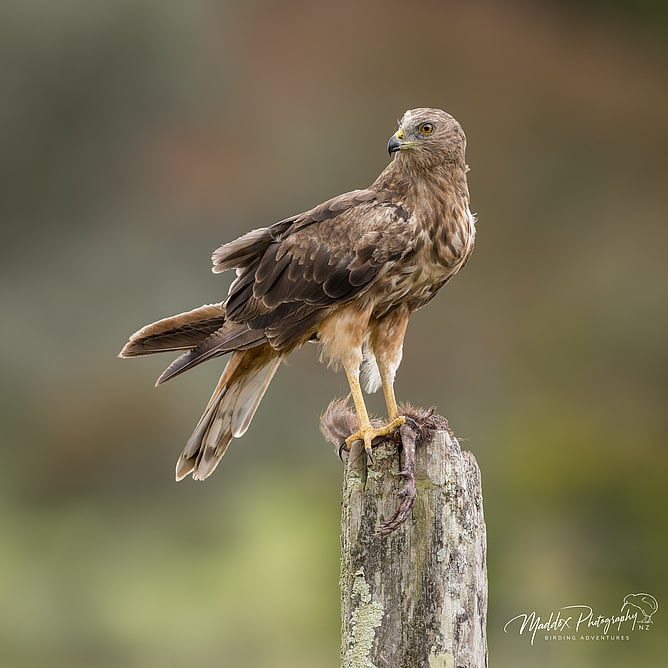
How birds use specific perches
Where light falls at certain times
When backgrounds briefly clear or glow
Often the bird will return to the same spot and when it does, the scene is already prepared. That’s when storytelling happens naturally.
Final Thoughts
Great bird photography isn’t just about the bird, it’s about relationship: bird, light, environment, and observer.
When you start treating backgrounds and foregrounds as active parts of the frame, your images slow down, deepen, and begin to speak more clearly. They feel less like photographs taken, and more like moments witnessed.
Next time you’re in the field, pause before you shoot. Look behind the bird. Look through the scene. The story is already there, your job is simply to frame it.