When people think about bird photography in New Zealand, they often picture well-known hotspots or remote islands packed with rare species. And while those places absolutely have their value, that’s not where most of my work has come from.
The reality is, I’ve built my photography around locations close to home, places I can return to again and again. Instead of chasing destinations, I’ve focused on learning environments deeply. Understanding light, behaviour, and timing in a handful of places has been far more valuable than constantly moving on to somewhere new.
If you’re starting out, or even if you’ve been at it a while this approach will take you further than any “must visit” list ever could.
Here are the types of locations I keep coming back to.
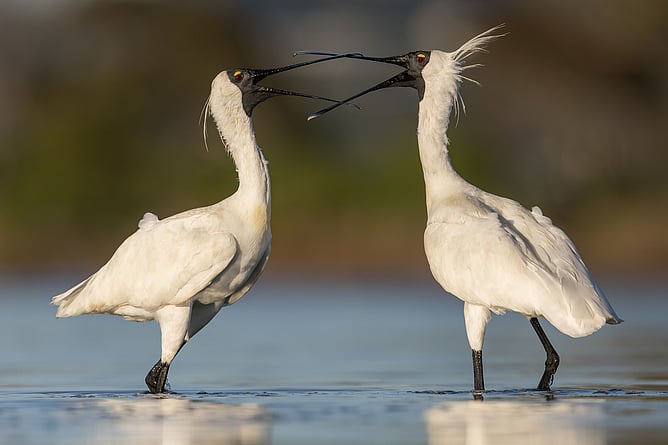
Local Wetlands & River Edges
Areas around the Waikato River and surrounding wetlands are some of the most underrated bird photography environments in the country.
At first glance, they can feel a bit ordinary. There’s no dramatic backdrop, no obvious “wow” factor. But spend time there, and everything starts to change. Birds move through these spaces constantly feeding, interacting, reacting to subtle changes in water levels and weather.
What makes wetlands so powerful is their consistency. You’re not relying on luck, you’re building familiarity. You begin to recognise patterns: where birds like to feed, where they pause, how they react to your presence.
Photographically, they also offer great variety. Calm mornings can give you soft reflections and clean compositions, while overcast or windy conditions add mood and movement. It’s a place where you can experiment and refine your skills without pressure.
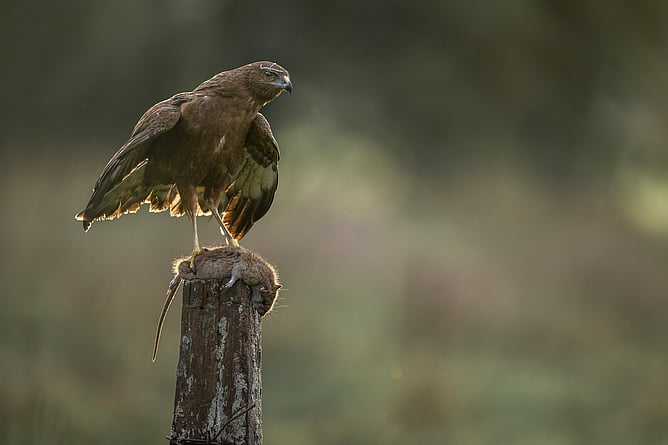
Farmland & Open Country
Farmland is often overlooked, but it’s one of the most honest environments you can work in.
Out in open country, there’s nowhere to hide. You can’t rely on sneaking close or using cover, you have to think about your positioning, your timing, and how you move through the space. Birds here tend to be more alert, which forces you to slow down and be deliberate.
What I love about farmland is its simplicity. Fence posts, rolling paddocks, and clean horizons make for strong, uncluttered compositions. It strips things back to the essentials, light, subject, and moment.
You also start to notice behaviour more clearly. Certain birds will return to the same perch, hunt along the same fence line, or follow predictable patterns throughout the day. Once you pick up on that, your success rate improves dramatically.
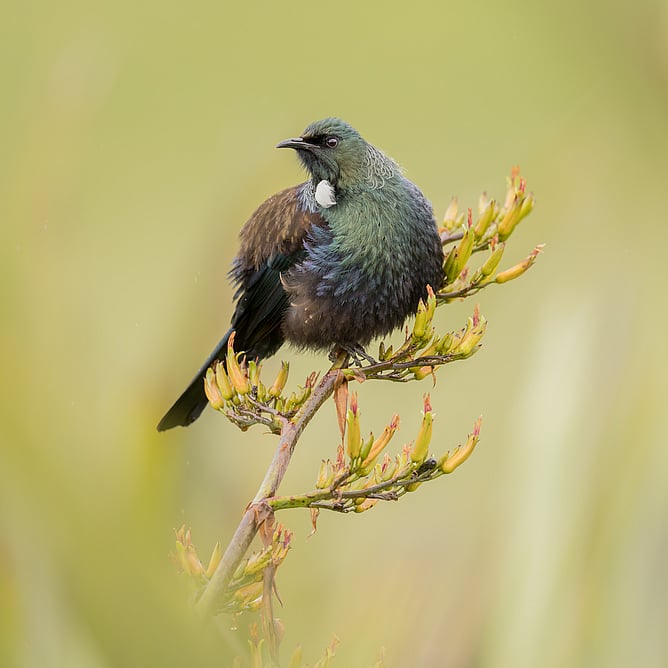
Backyards & Local Parks
This is where it all starts, and it’s still one of the best places to grow.
Backyards and local parks might not sound exciting, but they offer something incredibly valuable: access. You can shoot there regularly, in different conditions, without the pressure of needing to “make the most” of a rare trip.
That repetition is what builds skill.
You start experimenting more, trying different angles, working with backlight, pushing your compositions. You’ll fail plenty, but that’s part of it. Over time, you begin to understand how small changes in light or positioning can completely transform an image.
Common birds become anything but common when you start paying attention. Behaviour, interaction, and personality begin to show through, and that’s where stronger images are made.
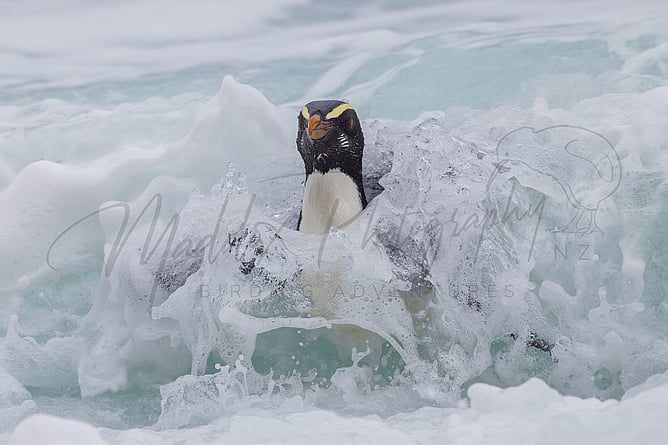
Coastal Areas (When I Get the Chance)
Any time I make it to the coast, it’s a completely different experience.
The environment is more dynamic, wind, tide, and constantly shifting light all play a role. Birds behave differently too, often more influenced by the conditions around them.
What I enjoy most about coastal photography is the unpredictability. You can plan as much as you like, but you still need to adapt in the moment. Watching how birds move with the wind or interact with waves opens up creative opportunities you don’t get inland.
It’s also one of the best places to push storytelling, capturing not just the bird, but the environment it exists in.
Why I Don’t Chase “Secret Spots”
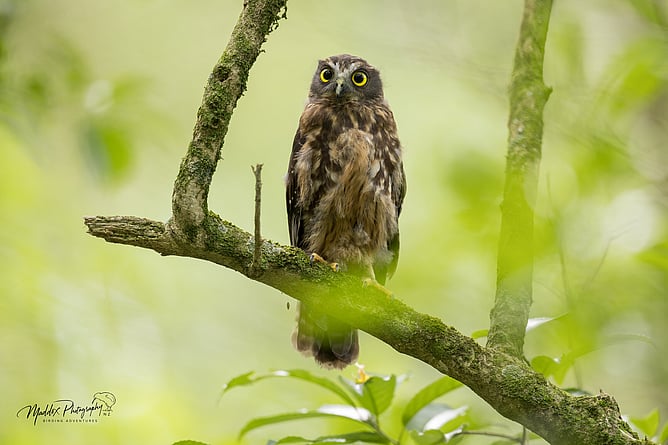
There’s always a temptation in wildlife photography to ask, “Where was this taken?” as if the location is the key to the image.
In reality, it rarely is.
The strongest images come from understanding, not just access. You can take someone to a great location, but without patience, awareness, and timing, the results will still fall flat.
By focusing on a handful of accessible places, you give yourself the chance to build that understanding. You learn how light changes throughout the day, how seasons affect behaviour, and how to position yourself for the best opportunity.
That’s where consistency comes from.
Final Thoughts
New Zealand offers incredible bird photography opportunities, but you don’t need to travel far or chase well-known locations to experience them.
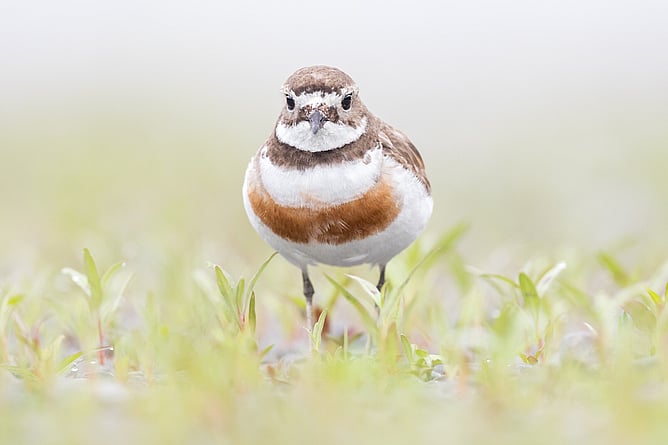
Start local. Find a place you can return to regularly. Spend time observing, not just shooting. Pay attention to the small details, light, movement, behaviour.
Over time, those familiar places will start to reveal more and more. And when everything finally comes together the light, the subject, the moment you’ll realise it was never about the location in the first place.
It was about the time you put in.