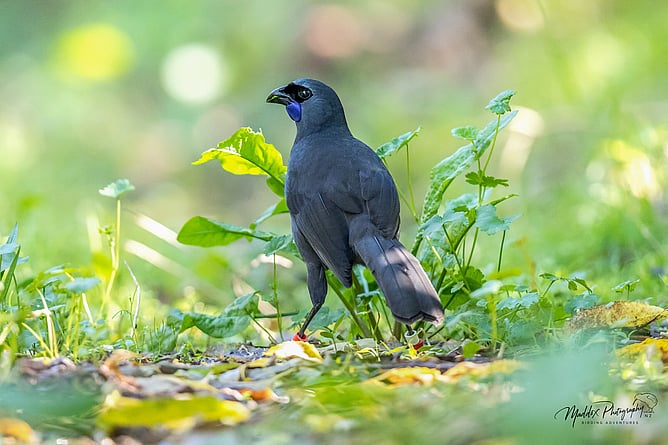
When people look at a finished wildlife photograph, they often see the final moment, the sharp eyes, the perfect light, the dramatic behaviour, the clean background. What they don’t see is everything that happened before that shutter click.
Wildlife photography is often romanticised as constant adventure and incredible encounters. While those moments absolutely exist, the reality behind the images is something very different. It’s early mornings, failed attempts, freezing conditions, long walks, missed focus, patience, disappointment, and countless hours spent learning the behaviour of the natural world.
The truth is, wildlife photography is rarely about luck.
It’s about persistence.
The Hours Nobody Sees
A single image can take days, weeks, or even years to create. This image below was 7 years in the making.
There have been mornings where I’ve left home at 3am, driven for hours, hiked through mud or rain, only to come home without taking a single photo worth keeping. That’s part of it. Wildlife doesn’t work on our schedule. Birds don’t land where we want them to. Light changes constantly. Weather turns. Conditions fail.
And yet, we go back again.
Because sometimes, after all the waiting, everything aligns for just a few seconds.
That single moment is what people see online.
What they don’t see is the hundreds of failed frames that came before it.
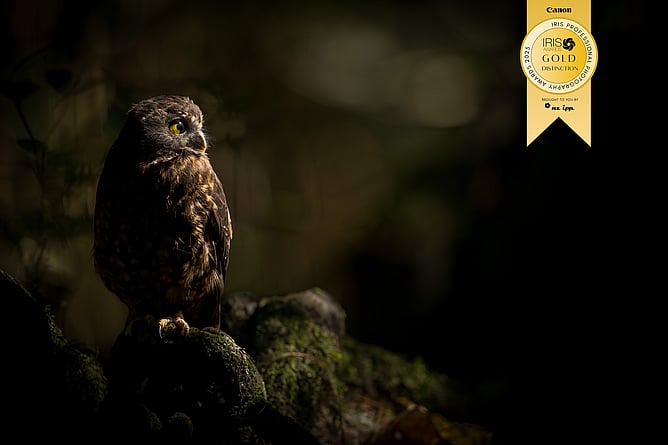
Patience Is the Real Skill
Camera gear matters. Technique matters. But patience is what separates wildlife photography from almost every other genre.
Birds teach you to slow down.
You begin to understand patterns in behaviour. You learn when a bird feels comfortable, when it’s alert, and when it’s about to take flight. You start reading the environment instead of forcing the moment.
Some days, success means simply observing.
One of the biggest lessons wildlife photography teaches is that nature owes us nothing. You cannot control wildlife, and the moment you try to rush things, you usually fail.
The best wildlife photographers are often the calmest and most patient people in the field.
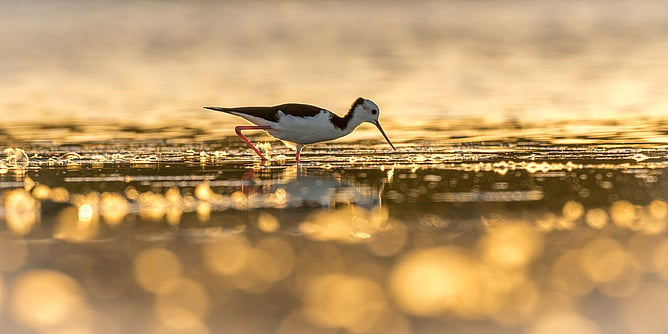
Weather Is Part of the Story
Wildlife photography doesn’t stop when conditions become uncomfortable.
Some of my favourite images were taken in freezing wind, heavy rain, or harsh conditions where most people would have packed up and gone home. Weather creates atmosphere, mood, texture, and emotion.
But it also creates challenges.
Cold hands make camera controls harder to operate. Rain fogs lenses. Wind ruins sharpness. Harsh light destroys detail. Long days become physically exhausting.
Wildlife photography often means standing still for hours, carrying heavy gear across difficult terrain, and accepting that nature will always have the final say.
The conditions are rarely perfect.
But sometimes that’s exactly what makes the image special.
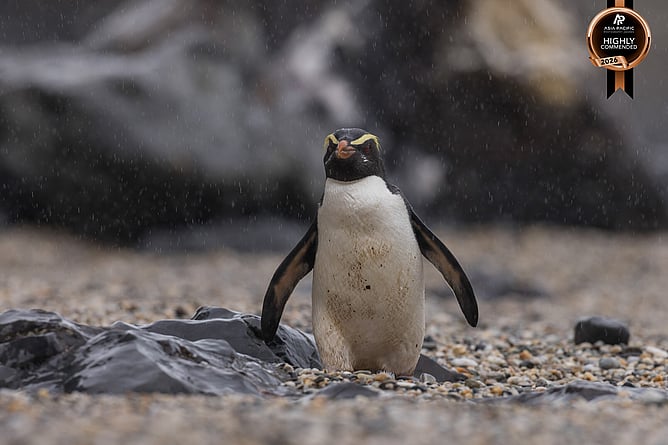
The Failed Attempts Matter Most
People rarely post the misses.
The out-of-focus frames.
The clipped wings.
The bird flying the wrong direction.
The branch across the face.
The perfect moment ruined by poor light.
But those failures are where the learning happens.
Every missed shot teaches you something:
How birds move
How autofocus behaves
How to position yourself better
How light changes a scene
How to anticipate behaviour instead of reacting to it
Wildlife photography is built on failure. The photographers who improve the fastest are usually the ones willing to keep showing up after disappointing sessions.
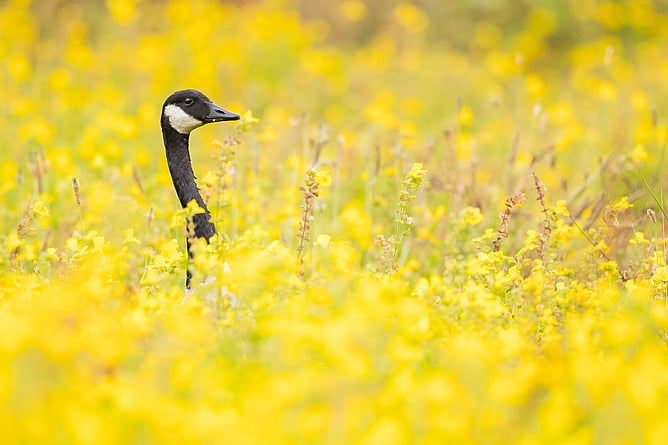
Ethics Matter More Than the Photo
This is one of the most important parts of wildlife photography, and one that often gets overlooked.
A photograph is never worth stressing or harming wildlife.
As photographers, we have a responsibility to respect the animals we photograph and the environments they live in. That means understanding distance, recognising signs of stress, avoiding disturbance during breeding seasons, and never forcing interactions for the sake of an image.
Sometimes the ethical decision means walking away.
And that’s okay.
The welfare of the bird will always matter more than the photograph.
The longer I’ve spent photographing wildlife, the more I’ve realised that good fieldcraft and respect for nature matter far more than a photo.
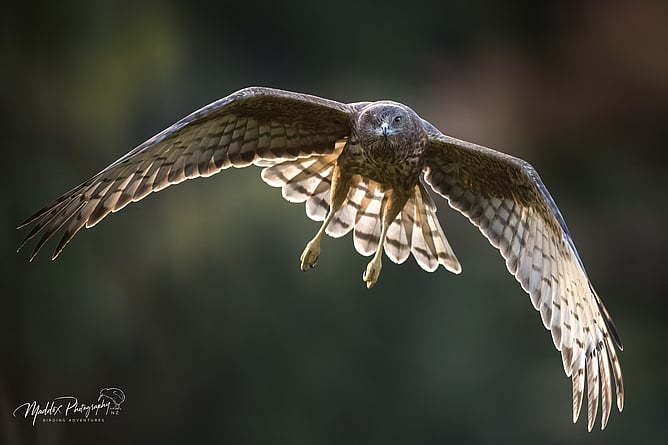
Fieldcraft Changes Everything
One of the biggest misconceptions in wildlife photography is that better gear automatically creates better images. It does help but in reality, understanding wildlife behaviour is often far more valuable.
Fieldcraft is the art of blending into the environment, reading behaviour, moving carefully, understanding habitats, and knowing when to stay completely still.
It’s learning how to approach without pressure.
How to use terrain and light.
How to position yourself before the moment happens.
The more time you spend observing wildlife, the more opportunities begin to appear naturally.
That’s where truly meaningful wildlife photography starts.
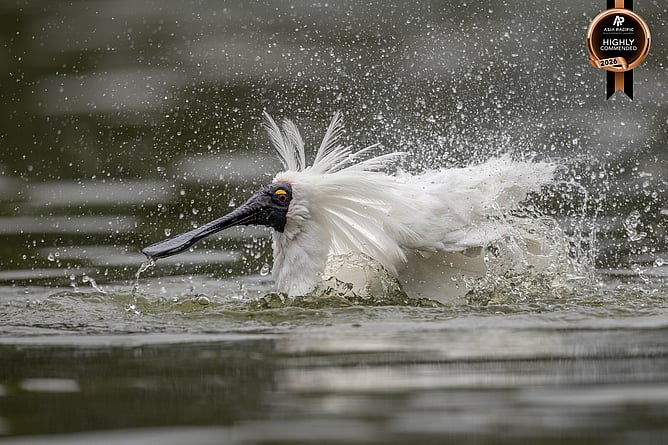
Why We Keep Going Back
Despite the failures, long hours, difficult weather, and missed opportunities, wildlife photography gives something very few things in life can offer.
Connection.
It reconnects us with nature in a world that constantly moves too fast. It teaches patience, awareness, resilience, and appreciation for moments most people walk past without noticing.
For me personally, wildlife photography became far more than simply taking pictures. After the loss of our son Maddox, nature became a place of healing. Picking up a camera gave me purpose again. It taught me how to slow down, observe, and reconnect with the world around me.
That journey eventually became Maddox Photography NZ, not just a photography business, but a reflection of resilience, passion, and the power nature can have in helping us move forward.
And perhaps that’s the part people don’t see most of all.
Behind every wildlife photograph is not just a camera.
There’s a story.