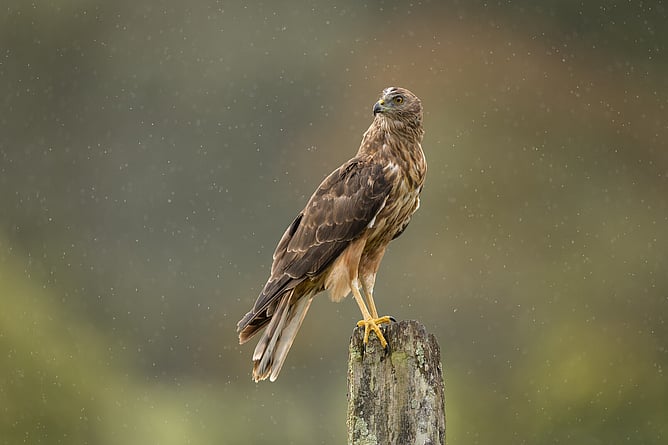
There’s a moment when you wake up, look outside and see rain, and immediately think…
“Yep. Not today.”
The birds will still be there tomorrow.
My camera will stay dry.
My boots can remain clean.
And there’s absolutely no reason to stand outside in the rain getting soaked while carrying several thousand dollars' worth of camera equipment. Sounds familiar?
But as bird photographers, we know that sensible isn't always where the best photographs happen, and we know birds don't stop being interesting just because the weather turns miserable. In fact, sometimes they become even more interesting.
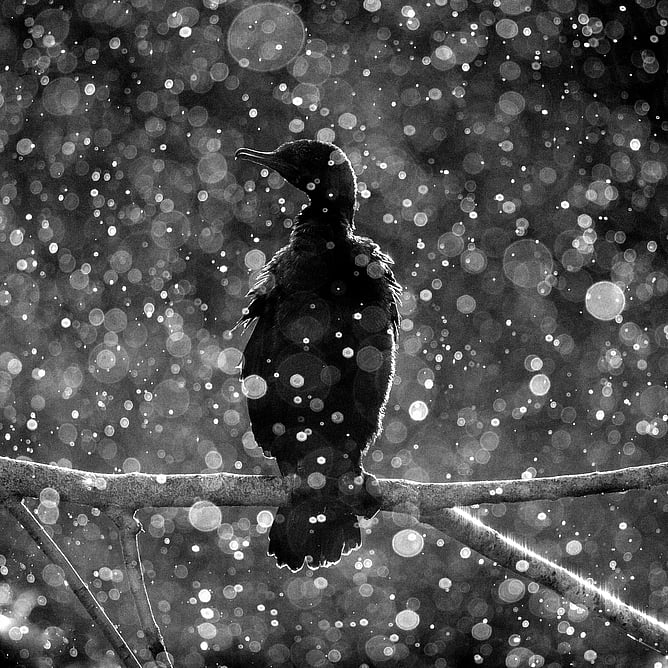
Rain changes the way birds behave. It changes the light, the background and the entire feel of a photograph.
And if you're willing to get a little wet and muddy, you can sometimes come home with images you simply wouldn't have been able to capture on a bright, calm day.
Rain can transform an ordinary bird photograph into something completely different.
Drops of water sitting on feathers.
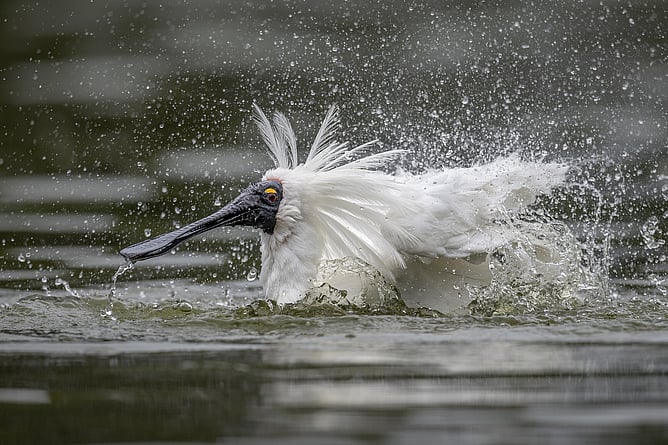
A bird shaking itself dry, sending droplets flying in every direction.
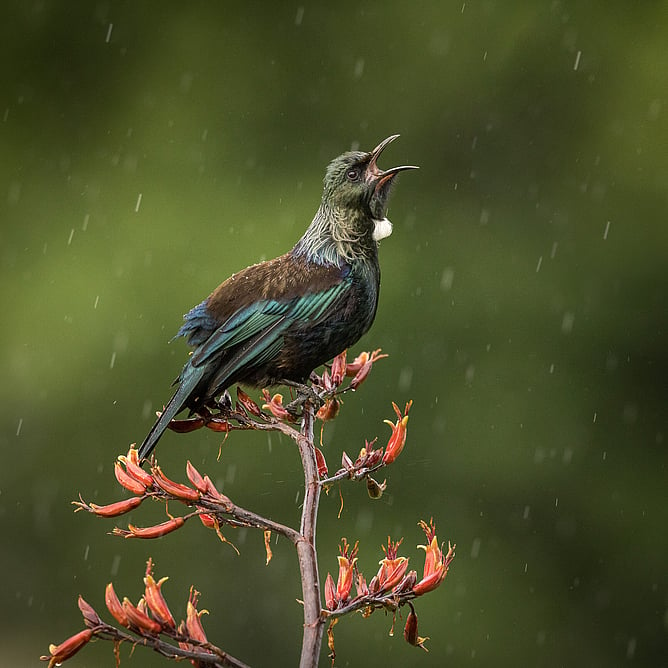
A Tui sitting quietly singing in the rain.
Reflections appearing in puddles.
Even the light can be beautiful. Overcast skies remove the harsh shadows that can make photographing birds in bright sunlight difficult, giving you a soft, even light that brings out the detail in feathers.
And then there are those moments when the rain becomes part of the photograph itself.
Rather than trying to hide it, you start looking for it.
You wait for the raindrop hanging from the tip of a beak.
You watch for the shake after a downpour.
You look for the bird singing quietly amongst soaked Harakeke.
You start noticing the way the rain catches the light.
Suddenly you're not waiting for the weather to improve.
You're waiting for the photograph.
Of course, there are challenges.
Bird photography already involves a certain amount of standing incredibly still while pretending you haven't been bitten by any sandflies or mosquitoes. Add rain and mud to the equation and things get interesting.
Your tripod legs are covered in mud.
Your trousers are wet.
Your boots have somehow gained another kilogram each.
Your camera + bag is wrapped in enough protection to survive a small flood. And you're standing there thinking, “This had better be a good bird.”
But then it happens. The bird lands exactly where you hoped it would. It turns its head. The rain catches the light.
You press the shutter.
And for a second, you forget that you're cold, wet and probably going to spend the next half hour cleaning mud off everything you own. That's the magic of bird photography. We're not always looking for perfect conditions.
We're looking for moments, and the weather can create moments that a perfect blue-sky day simply can't.
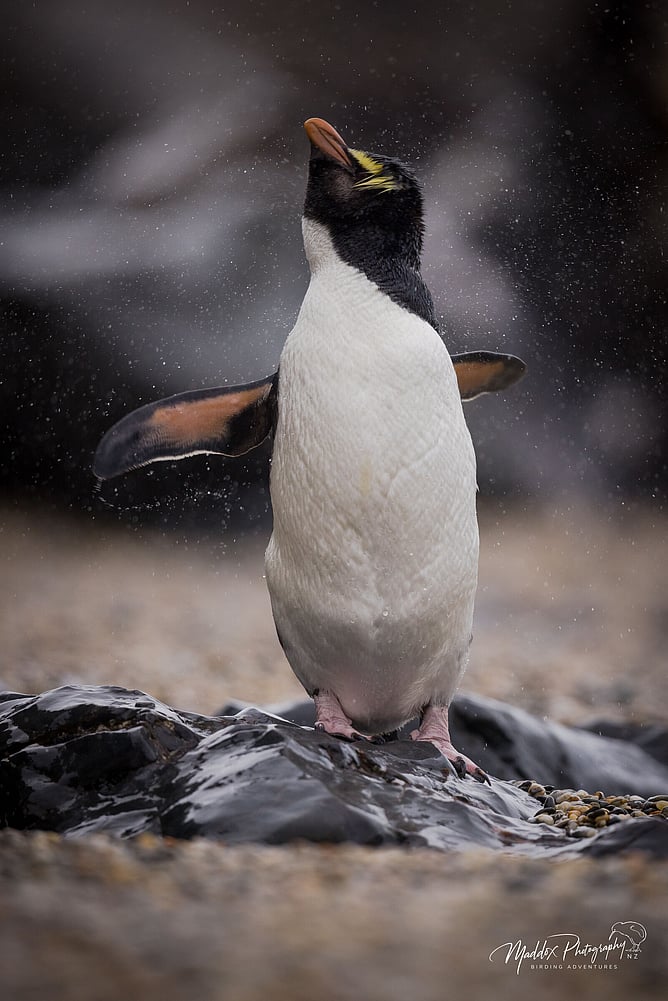
Some of the most atmospheric bird images come from conditions that initially make you want to pack up and head home.
Mist, Rain, Wind, Wet foliage, Dark skies.
All the things we might normally consider obstacles can become part of the image.
Of course, there are times when the weather genuinely isn't suitable. Keeping yourself, and your equipment safe always comes first.
But a bit of rain?
That's not necessarily a reason to put the camera away, sometimes it's a reason to pick it up. So next time you look outside and see rain, maybe don't immediately reach for the kettle, although tempting.
Grab the rain cover. Put on the waterproofs. Accept that the mud is going to win. And head outside.
Because the bird you're looking for might be sitting there right now, completely unconcerned about the weather, waiting for you to stop worrying about getting wet.
And who knows?
You might come home with muddy boots, a damp jacket, a camera that needs a very careful wipe down… and one photograph that makes the whole soggy adventure worthwhile.